REDEFINIENDO EL SECTOR HOSPITALITY CON EL PROYECTO GIVAH
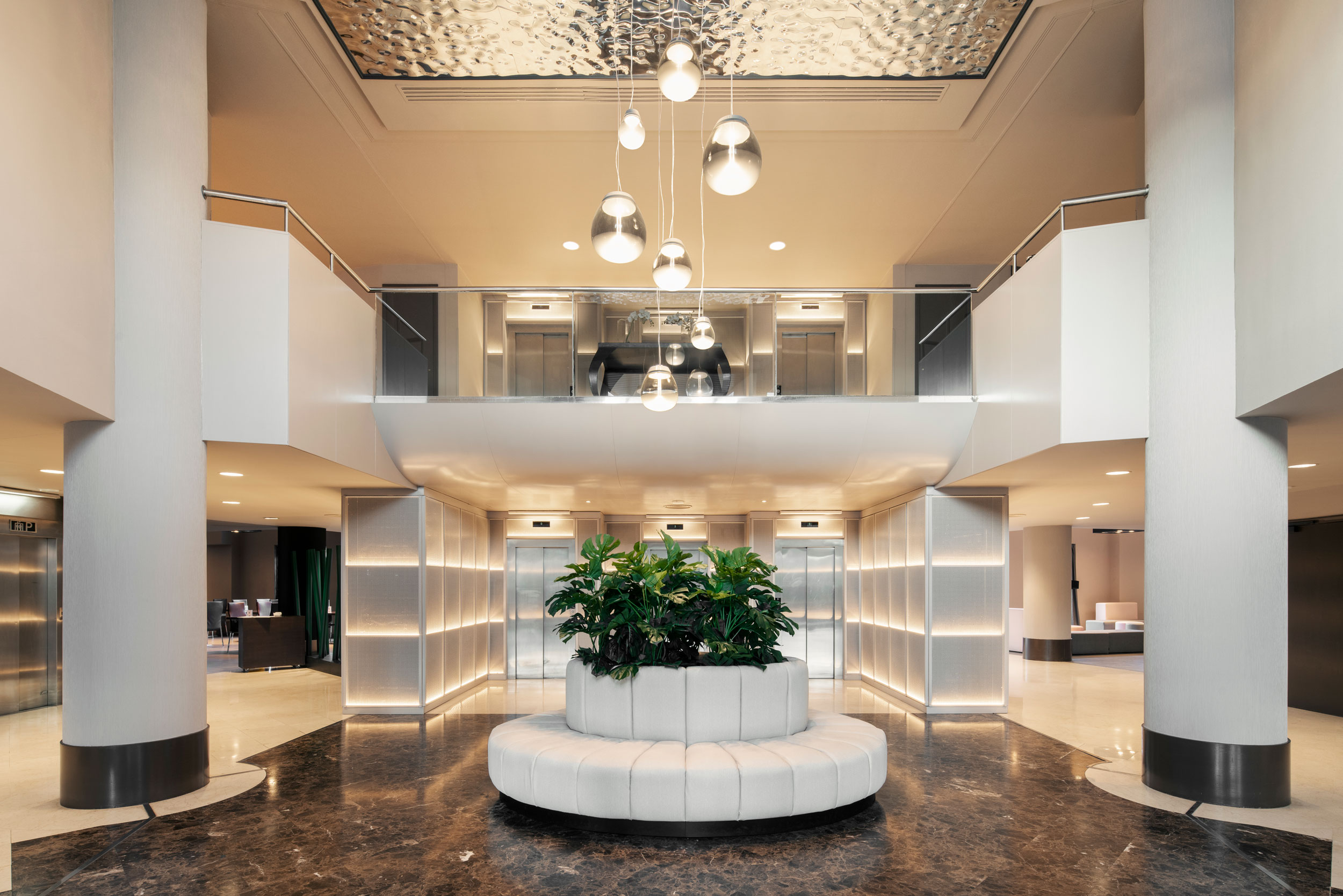
En los últimos años, el sector hospitality ha experimentado una profunda transformación en la forma de concebir la experiencia del usuario. Los espacios ya no son solo escenarios funcionales, sino auténticos elementos narrativos que influyen en la percepción, las emociones y la toma de decisiones de clientes y usuarios. En el Hotel Alimara nos planteamos los procesos tradicionales de diseño poco conectados con el uso real de los espacios para poder optimizarlos y mejorar la experiencia de nuestros huéspedes.
GIVAH: repensar cómo se diseñan y viven los espacios hospitality
Es en este contexto donde nace GIVAH, un proyecto de investigación industrial que apuesta por cambiar las reglas del juego, al cual se unen el Hotel Universitario Alimara y el CETT. Su objetivo es desarrollar y validar un nuevo entorno tecnológico capaz de transformar cómo se diseñan, prueban y optimizan los espacios, productos y servicios en el sector hospitality, incorporando desde el inicio la experiencia real del usuario.
A través de la combinación de Inteligencia Artificial Generativa, tecnologías inmersivas (XR) y computación espacial, GIVAH propone un modelo de trabajo más colaborativo, dinámico y centrado en las personas. Un entorno donde fabricantes, diseñadores, gestores de espacios y usuarios finales pueden co-crear, visualizar y validar propuestas de forma anticipada, reduciendo riesgos y mejorando la calidad de las decisiones.
El proyecto, impulsado por la AMBIT Living Spaces Cluster junto a un ecosistema de empresas y entidades del ámbito del hábitat, el diseño, el audiovisual y la gestión hospitality, traslada la investigación aplicada a escenarios reales. Ferias sectoriales y espacios operativos de hotelería y restauración se convierten en laboratorios vivos donde probar soluciones con impacto inmediato y transferible al mercado.
De procesos lineales a experiencias co-creadas y validadas en tiempo real
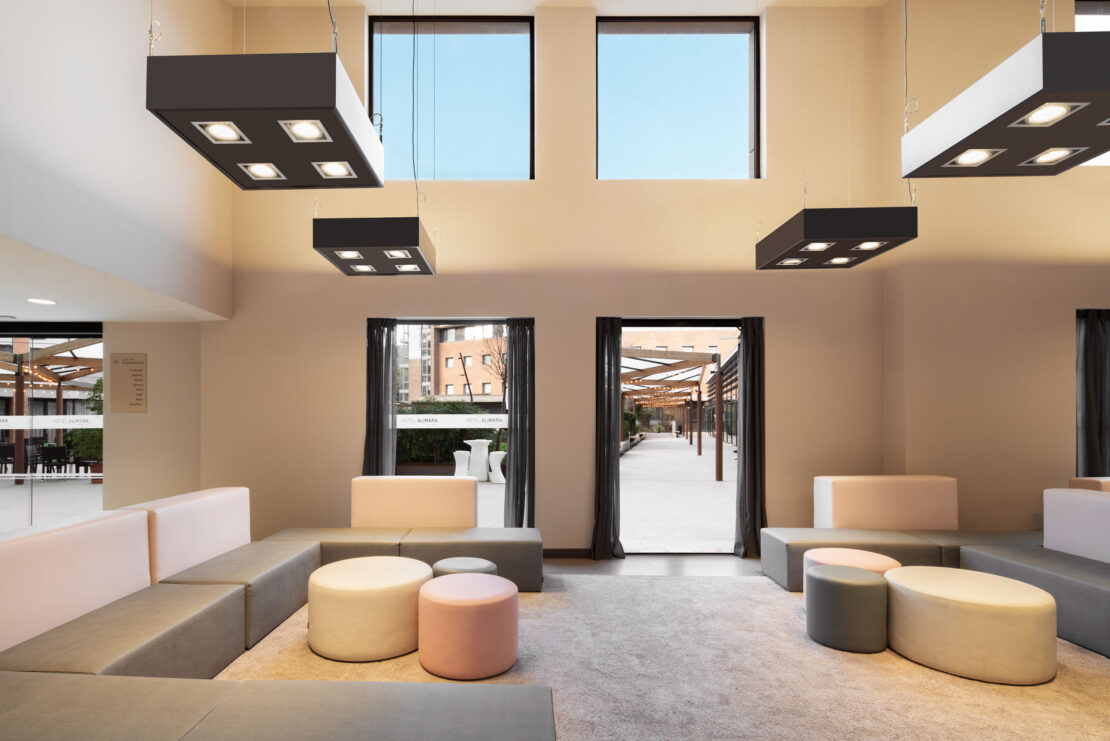
Tradicionalmente, el diseño de espacios hospitality ha seguido un camino lineal: primero se define el concepto, después se diseña y, finalmente, se implementa. Las validaciones reales suelen llegar tarde, cuando los márgenes de cambio son limitados y los costes elevados. GIVAH plantea romper con este esquema y avanzar hacia un modelo mucho más flexible, iterativo y participativo.
El proyecto desarrolla un framework tecnológico híbrido que permite generar y experimentar propuestas de diseño en entornos virtuales inmersivos, enriquecidos con datos reales del espacio. Gracias a la IA Generativa de dominio y a sistemas agénticos, es posible crear, modificar y evaluar configuraciones espaciales, productos y servicios sin necesidad de prototipos físicos ni intervenciones costosas.
Uno de los grandes valores diferenciales de GIVAH es su capacidad para integrar a todos los actores clave en un mismo entorno digital. Diseñadores, fabricantes, gestores y usuarios pueden interactuar de forma simultánea, visualizar cambios en tiempo real y tomar decisiones compartidas desde fases muy tempranas del proyecto. Esto no solo acelera los procesos, sino que mejora la alineación entre expectativas, viabilidad operativa y experiencia final.
La validación del sistema se realiza mediante casos de estudio en entornos reales de hospitality, donde se analizan tanto el rendimiento técnico como la usabilidad y el impacto en los flujos de trabajo profesionales. El resultado es un conjunto de herramientas, metodologías y workflows replicables, pensados para facilitar la adopción tecnológica por parte de las empresas del sector.
Impacto del proyecto y resultados transferibles para las empresas
Los resultados del proyecto GIVAH estarán orientados principalmente a la digitalización y optimización de los procesos que intervienen en la cadena de valor del diseño, la implementación, la gestión y la promoción de experiencias en el sector hospitality. De manera específica:
-
Fabricantes y distribuidores de equipamiento hospitality: GIVAH facilitará la evolución desde productos físicos rígidos hacia soluciones más flexibles, configurables e interactivas, adaptadas a distintos contextos de uso. Esto permitirá reducir costes de diseño y agilizar los procesos de personalización.
-
Estudios de diseño, arquitectura e interiorismo: El proyecto abrirá la puerta a nuevos flujos de trabajo generativos que potencien la co-creación y la validación temprana de conceptos junto a promotores, operadores y fabricantes, mejorando la toma de decisiones en fases iniciales.
-
Gestores y promotores de espacios hospitality: Se pondrán a su disposición herramientas avanzadas para simular y testar, antes de la ejecución, la viabilidad funcional, operativa y emocional de los espacios, minimizando riesgos y optimizando las inversiones.
Impulsar el liderazgo digital del sector hospitality
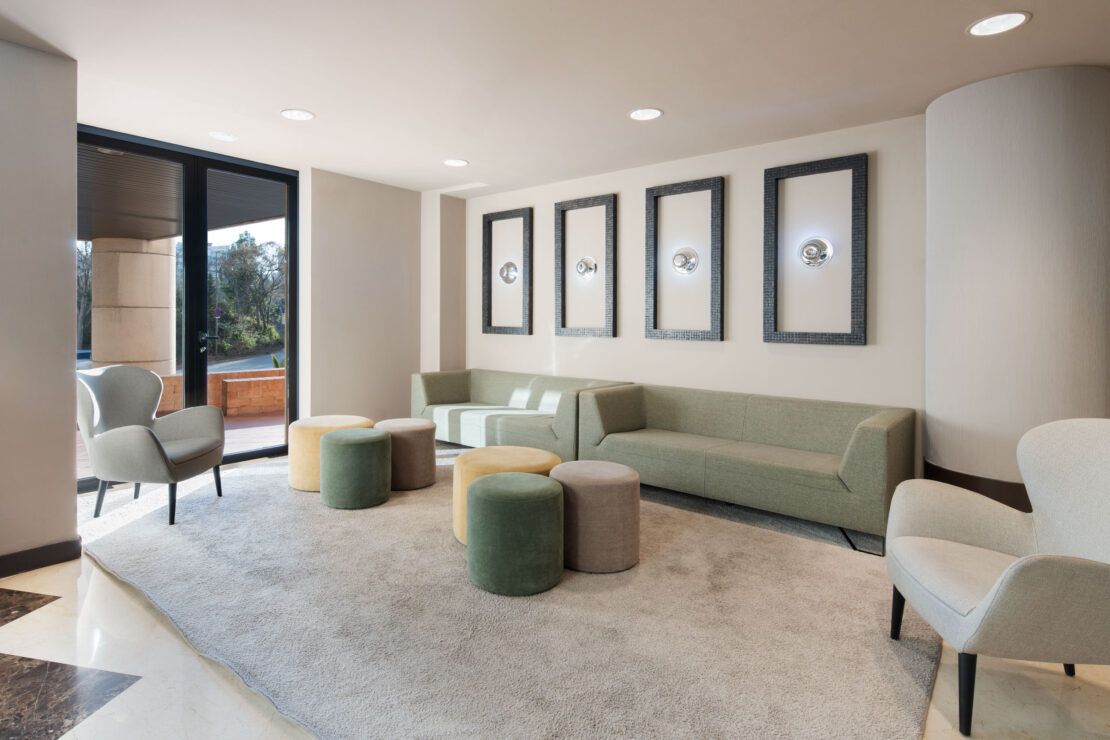
Más allá de la innovación tecnológica, GIVAH representa un paso decisivo hacia el liderazgo digital del sector hospitality. El proyecto actúa como catalizador para que empresas —especialmente PYMEs— puedan incorporar tecnologías avanzadas como la IA Generativa, la Realidad Extendida o la computación espacial en su operativa diaria, sin necesidad de grandes inversiones iniciales ni conocimientos altamente especializados.
GIVAH se alinea plenamente con las estrategias europeas y nacionales de digitalización, contribuyendo a la adopción real de tecnologías digitales en sectores tradicionalmente analógicos. A través de la experimentación aplicada, las empresas participantes desarrollan nuevas competencias digitales, exploran modelos de negocio más flexibles y avanzan hacia una economía más experiencial, personalizada y sostenible.
Programa de Agrupaciones Empresariales Innovadoras (AEI) del Ministerio de Industria, Comercio y Turismo: AEI-010500-2025-60.